The five platforms below each lean toward different strengths: quick payouts, round-the-clock support, low spreads, or swap-free (Islamic) accounts. Depending on whether you care most about speed, education or trading costs, the cards help you see which option aligns with your needs.
1
Exness
Suits
Fast withdrawals
24/7 support
Multiple accounts
Exness is widely noted for fast funding and payout times and support available 24/7—handy if you trade at odd hours or want quicker access to your money. It offers multiple account types and is often shortlisted by Nigerian traders who care about responsive support, flexible funding and broad account choice. Check the official site for the entity serving your country and for current payment-method availability.
HFM is often considered by users who want swap-free account options, multiple account structures and a platform with broad recognition across emerging markets. It is commonly picked by users who value familiar brand presence, several trading account types and support for different trading styles. Verify the serving entity, payment options and current account features on the official site.
XM emphasises learning and community—webinars, educational content and a long history in the market. It is a common pick for users who care about building trading skills, getting market education and choosing a platform with a familiar brand. Check the official site for the account type, payment methods and region-specific availability that apply to Nigeria.
FBS is frequently chosen by users looking for a simple onboarding experience, familiar platform options and account choices that are easy to understand. It is often considered by beginners who want to start with a lower deposit and a simpler setup. Review the current legal entity, payment methods and account conditions on the official site before you sign up.
IC Markets is regularly shortlisted by users who prioritise trading costs, platform familiarity and execution-focused account types. It tends to appeal to active users who compare spreads closely and want a platform often discussed in execution-led comparisons. Confirm the account type, trading platform and regional availability on the official site before choosing.
We focus on helping you compare platforms on licensing, support and account options. This material is for educational and informational use only, not investment or trading advice—always verify details and do your own due diligence before choosing a platform.
What to weigh when choosing a platform
Comparing funding speed, licensing, support, fees and other factors helps you pick a broker that fits.
Below we look at funding and payouts first (often a top concern in Nigeria), then licensing and oversight, support channels and hours, fees and spreads, years in business, website traffic and visibility, and reported trading volume. For each we explain why it matters and give a comparison table across the five brokers.
1 Funding and Payouts
Funding and payout speed affect how flexible you are and how quickly you can access your money when you need it.
Deposit and withdrawal: check supported methods (e.g. card, bank, USDT) and typical processing times.
Timing depends on payment type, verification status and the broker’s process. Many brokers allow instant or same-day funding for some methods; payouts often take longer due to checks and processing. The table shows typical ranges, not promises—actual times vary by region, method and workload. Payouts may also face compliance checks.
Use the table to compare usual processing times, then confirm current terms and your preferred method on each broker’s site. Completing KYC early and using methods the broker flags as faster can help—especially for Nigerian residents where local options may differ.
Broker
Deposit (est.)
Withdrawal (est.)
Exness
Instant–24h
0–24h
HFM
Instant–24h
12–24h
XM
Instant–48h
12–48h
FBS
Instant–24h
12–48h
IC Markets
Instant–24h
12–24h
Actual times vary by payment method and verification status.
2 Licensing and Oversight
Licensing shows whether a broker answers to recognised supervisors and must comply with set rules—giving you a basis for transparency and how complaints are resolved.
Regulatory status: oversight and compliance—brokers list FCA, CySEC, FSA etc.; see the broker’s legal or footer section.
Your account and the broker’s behaviour are governed by the regulator that licenses the entity you sign up with. Bodies like the FCA (UK), ASIC (Australia), CySEC (Cyprus), FSCA (South Africa) and others impose capital rules, reporting and client safeguards. Licensing doesn’t remove risk or promise returns, but it gives a clearer framework for transparency and handling disputes.
The table lists main licences each broker states and how many supervisory jurisdictions they report. More jurisdictions can mean wider coverage; either way, check which legal entity serves you and under which regulator—important for Nigerian residents, as the serving entity may differ by region. Licence details are typically in the footer or legal pages. Use the table as a quick reference, then confirm on each broker’s site.
Broker
Main Licenses
Layers
Exness
FCA, CySEC, FSCA, FSA
4
HFM
FSCA, FCA, CySEC, DFSA, FSA
5
XM
FCA, ASIC, CySEC, FSCA
4
FBS
FSC (Belize)
1
IC Markets
ASIC, CySEC, FSA
3
3 Support Channels and Hours
Customer support: check live chat, email and phone availability before you sign up.
Knowing how and when you can contact the broker matters when you need help with KYC, payouts or platform problems.
Channels and hours—live chat, email, phone, help centre—determine how quickly you get answers at sign-up, during verification or when issues arise. Here we look at what’s offered and when, not perceived quality. Round-the-clock support can be important if you trade or need help outside normal hours. You can try live chat or contact forms before opening an account.
The table summarises support channels and stated availability for each broker. Use it to compare, then double-check current channels and hours on each site, including for Nigeria and your language.
Broker
Channels
Availability
Exness
Live chat, email, help center
24/7
HFM
Live chat, email, phone
24/5
XM
Live chat, email, phone
24/5
FBS
Live chat, email, phone
24/7
IC Markets
Live chat, email
24/5
4 Fees and Spreads
Fees and spreads reduce returns over time—seeing how brokers position (low spread vs. stability or education) helps you align choice with your style.
Spreads and fees are typically quoted in normal conditions; in volatile or thin markets they can widen. Some brokers stress raw spread and execution, others support and education over lowest cost. Choices range from high-frequency to long-term or learning-focused. Check each broker’s pricing for the instruments and account you’ll use, and for commissions, swap or inactivity charges.
The table gives broad positioning (e.g. competitive, tight, not cost-led) and brief notes. Use it as a reference, then compare live or demo spreads and fees on each broker’s site before you decide.
Broker
Positioning
Notes
Exness
Competitive
Normal conditions
HFM
Competitive
Zero/standard; swap-free
XM
Not cost-focused
Stability, education
FBS
Average
~0.7–0.8 pips; no commission
IC Markets
Tight
Execution-focused
5 Years in Business
A broker’s age in the market can indicate continuity and give you a history to research—reviews, news and regulatory developments over the years.
Firms that remain in operation across market cycles and regulatory shifts have shown some capacity to adapt. Time in business alone doesn’t make them better or safer, but it usually means more information in the public domain: articles, user feedback and regulatory updates. That can inform your decision before you open an account.
The table gives founding year and years in operation on a consistent basis for comparison. Every broker listed here has been active for more than a decade. Use it as a starting point, then look up the broker name with “reviews” or “news” to see how they’ve performed over time.
Broker
Founded
Years
Exness
2008
18+ years
HFM
2010
16+ years
XM
2009
17+ years
FBS
2009
17+ years
IC Markets
2007
19+ years
6 Website Traffic and Visibility
Traffic and analytics: estimated visits help compare how visible each broker is online.
Site traffic indicates how much interest and research a broker gets on the web—a rough proxy for visibility, not for quality or safety.
Traffic data measures hits on the broker’s site—people browsing, comparing or considering accounts. It does not equal active traders or trading volume. High numbers can come from marketing, regional focus or brand awareness. Treat it as one input among many, not a guarantee of quality or safety.
The table shows estimated monthly visits and domain age. Figures come from third-party tools and methods differ—treat as indicative only. Use it to see which brokers get more visits relative to others, then factor in licensing and support when making your choice.
Broker
Est. Monthly Visits
Domain Age
Exness
~28–35M
15+ yrs
HFM
~3–8M
14+ yrs
XM
~10–25M
15+ yrs
FBS
~1M global
15+ yrs
IC Markets
~4–8M
17+ yrs
Third-party estimates only (e.g. public traffic tools). Methodology and sources vary; not official broker data. For context and comparison only.
7 Reported Trading Volume
Trading volume: how much a broker handles—from broker reports or industry estimates.
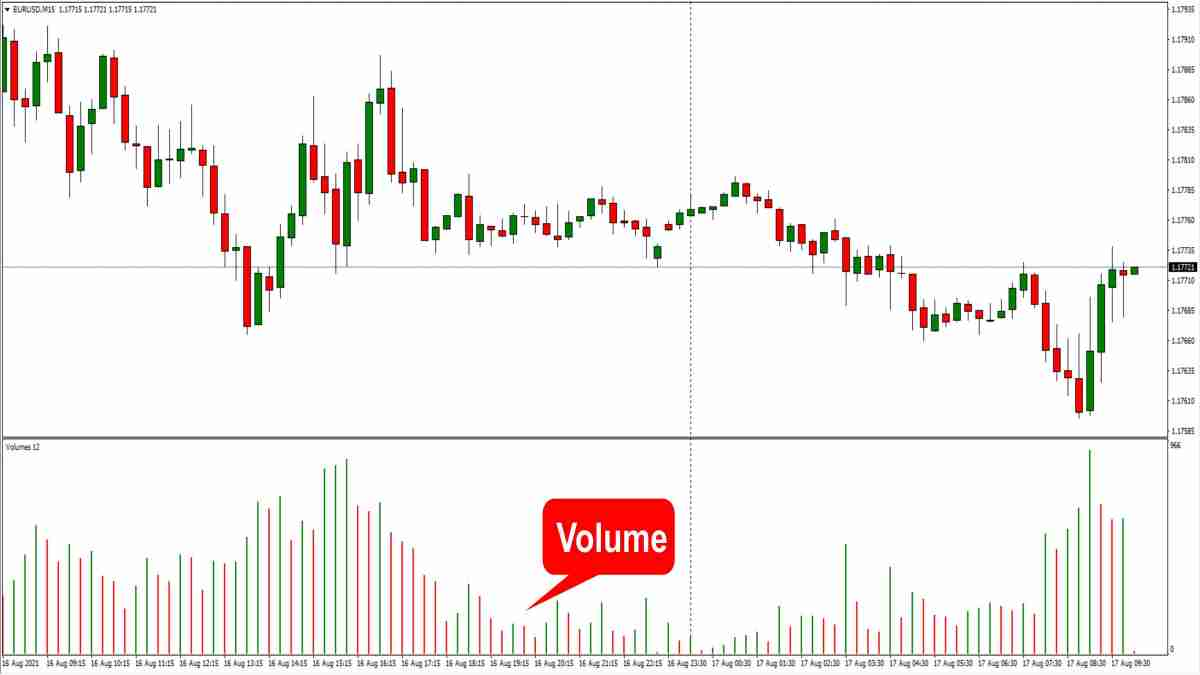
Volume gives a rough idea of how much flow a broker processes—useful for scale and liquidity context, not for forecasting your results.
Volume is often used to convey a broker’s size and presence. It doesn’t tell you how your own orders will be executed. Some brokers publish volume in reports or on their site; others don’t, so industry estimates are used. Methods and sources vary—treat all figures as indicative.
The table indicates whether each broker publishes volume and an approximate range. Use it for comparison, then look up official numbers on the broker’s site or in their reports.
Platform
Disclosure
Reported volume
Exness
Official
~4–6T USD/mo
HFM
Not on site
~200–400B USD/mo
XM
Not on site
~300–450B USD/mo
FBS
Official (annual)
$543B (2023)
IC Markets
Official
~2–4T USD/mo
Where not from broker disclosure: third-party or industry estimates. Sources and methods vary; for context only. Verify official figures on each broker’s site.
Summary
This page compares five platforms often considered by users in Nigeria: Exness, HFM, XM, FBS and IC Markets. We covered licensing, support, account options, funding and payout considerations, trading costs, years in business, website visibility and reported volume. Each platform suits a slightly different priority, so the table below repeats the five for quick reference.
 HFM
HFM XM
XM FBS
FBS IC Markets